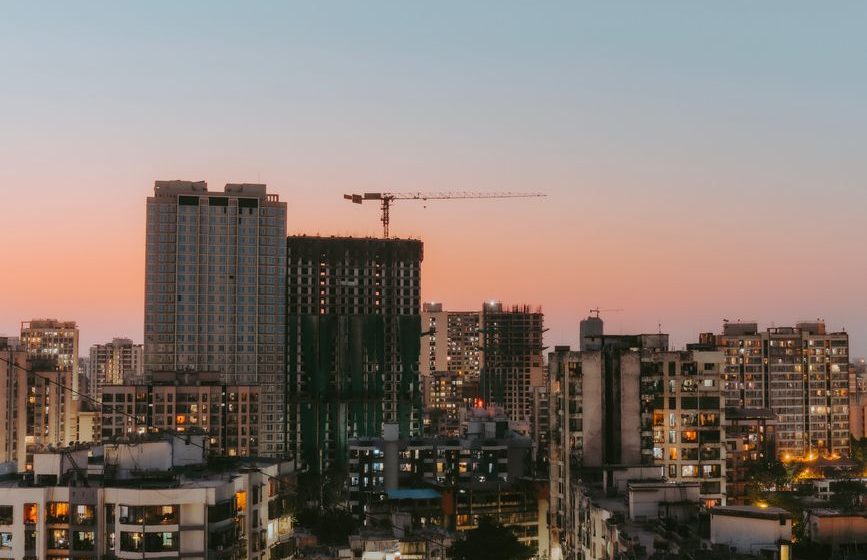
As we navigate the midway point of 2026, the landscape of our cities is undergoing a radical transformation. From sustainable architecture to the integration of smart-city technologies, the way we live, work, and commute is evolving faster than ever before. In today’s briefing, we break down the most critical updates shaping urban development and how these changes will impact your daily life.
Smart Cities and Sustainable Growth
This week’s data highlights a significant pivot toward green infrastructure. City planners are no longer just focusing on capacity; they are prioritizing resilience. Key trends include:
- Energy-Efficient Grids: Cities are adopting AI-driven power distribution to minimize waste.
- Modular Housing: A surge in rapid-assembly residential units aimed at tackling the ongoing housing supply crisis.
- Green Corridors: Increased investment in urban forestry to combat the ‘heat island’ effect in densely populated metros.
What This Means for Local Communities
The shift isn’t just about high-tech gadgets; it’s about human-centric design. We are seeing a move away from sprawling car-dependent suburbs toward ’15-minute city’ models where essential services are within a short walk or cycle. This transition is expected to boost local economies while significantly reducing the carbon footprint of the average commuter.
The Role of Policy in 2026
Local governments are currently fast-tracking zoning reforms to incentivize mixed-use developments. By blurring the lines between commercial and residential zones, urban areas are becoming more vibrant, safer, and economically diverse. If you are watching the real estate market or involved in urban planning, these policy shifts are the metrics to keep an eye on.
Stay tuned as we continue to track these developments throughout the summer. The modernization of our urban centers is just getting started.