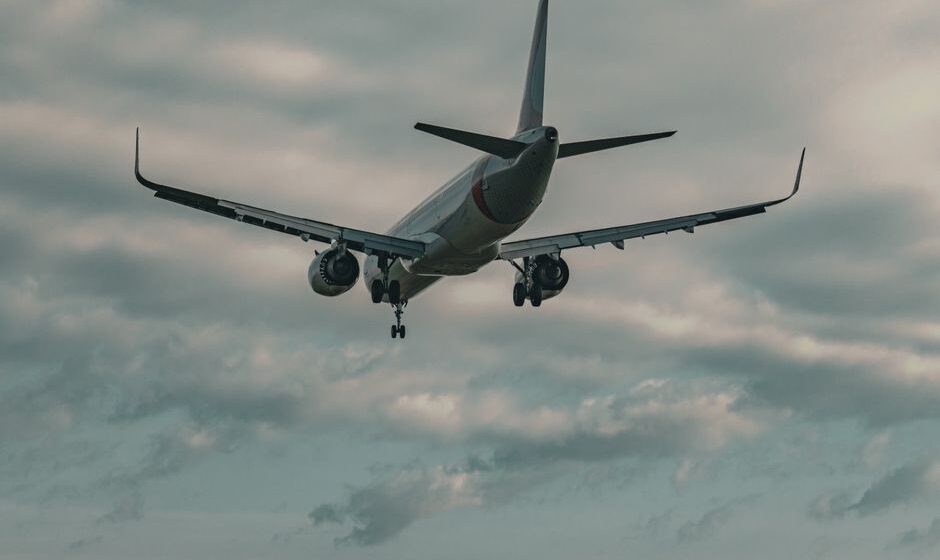
The Incident: A Terrifying Breach of Safety
A routine flight recently transformed into a nightmare scenario that has sparked intense debate regarding airline safety protocols and passenger care. A passenger reportedly suffered a horrific experience when a window seal failure led to a partial decompression event. While the specifics of the incident sound like a scene from a Hollywood thriller, the aftermath has raised serious questions about the standard of care provided by Ryanair cabin crew during emergency situations.
According to legal representatives involved in the subsequent fallout, the passenger was left in a state of physical and emotional distress, yet allegedly faced a lack of immediate, life-sustaining support. The most alarming claim—that the crew failed to provide basic hydration or adequate medical attention following the trauma—has drawn sharp criticism from legal experts and aviation safety advocates alike.
Understanding Aviation Safety Protocols
When a cabin experiences a rapid decompression or a structural failure, the immediate priority for flight attendants is to ensure the safety of the cabin environment and the well-being of the passengers. Under international aviation regulations, including those set by the European Union Aviation Safety Agency (EASA), airlines are strictly mandated to have comprehensive emergency response plans. These plans are not merely suggestions; they are legal requirements designed to protect passengers in life-threatening scenarios.
- Immediate Medical Assistance: Crew members are trained to identify signs of shock and hypoxia.
- Documentation: Every incident must be logged with meticulous detail to assist in post-flight investigations.
- Passenger Duty of Care: Airlines have a legal obligation to provide reasonable assistance, including medical supplies and hydration, if a passenger is injured during a flight.
“The failure to provide basic assistance after such a traumatic event is not just a lapse in service; it is a potential breach of the fundamental duty of care owed to every fare-paying passenger,” notes a legal analyst familiar with airline liability cases.
The Role of Legal Accountability
The lawyer representing the affected passenger has publicly slammed the crew’s response, arguing that the lack of action exacerbated the passenger’s suffering. In the world of commercial aviation, the line between a manageable technical glitch and a major liability crisis often comes down to the crew’s bedside manner and adherence to safety protocols. When passengers feel abandoned during a crisis, legal action often follows, leading to long-term reputational damage for the carrier.
This incident forces us to look closer at the aviation safety standards maintained by budget carriers. While low-cost models are designed to maximize efficiency, that efficiency cannot come at the expense of passenger safety or basic human decency in the face of an emergency.
Why Communication Matters in Crisis
Effective communication is the backbone of cabin safety. Whether it is keeping passengers calm during turbulence or managing a medical emergency, the training of cabin crew is the primary defense against chaos. If the claims regarding this flight are substantiated, it suggests a significant breakdown in the crew training pipeline. Was the crew overwhelmed by the technical failure, or were they simply ill-equipped to handle the human element of the trauma?
Looking Toward the Future of Flight Safety
This story serves as a stark reminder that air travel, while statistically the safest mode of transport, remains subject to human and mechanical error. The aviation industry is currently under the microscope as regulators seek to tighten the rules regarding how airlines communicate incidents to the public and how they treat passengers in the immediate aftermath of a scare.
Moving forward, we can expect:
- Increased Scrutiny: Regulatory bodies will likely increase audit frequency for low-cost airlines.
- Enhanced Training: Airlines may overhaul their ‘soft skills’ training to ensure crews are better prepared for the psychological impact of mid-air incidents.
- Policy Transparency: Passengers may demand more clarity on what to expect from cabin crew during emergency events.
Ultimately, the passenger’s experience is a call to action for the entire industry. Safety is not just about the structural integrity of the aircraft; it is about the culture of care that exists inside the cabin. As the investigation into this Ryanair flight continues, the industry will be watching closely to see how the airline addresses these serious allegations and whether they can restore public confidence in their safety procedures.
Original Source: Thesun