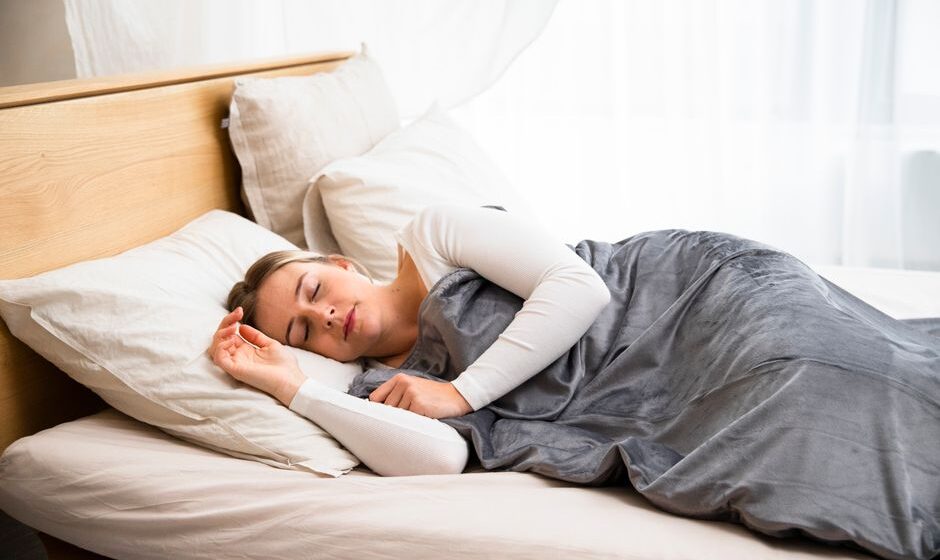
Mastering Restful Sleep During Heatwaves
We have all been there: tossing and turning, kicking off the sheets, and staring at the ceiling while the bedroom temperature climbs. When summer heatwaves hit, getting a good night’s sleep becomes more than just a comfort issue—it becomes a challenge for your physical and mental well-being. Science tells us that our core body temperature needs to drop by about 2 to 3 degrees Fahrenheit to initiate and maintain deep sleep. When the ambient temperature remains high, your body struggles to shed that heat, leading to fragmented, shallow rest.
Understanding the thermoregulation process is key to overcoming these sleepless nights. By implementing evidence-based strategies, you can trick your body into cooling down even when the mercury is rising. Here are eight science-backed ways to reclaim your sleep during hot weather.
1. Optimize Your Bedding Materials
The fabric touching your skin is your first line of defense against overheating. Swap out synthetic materials like polyester or microfiber, which trap heat and moisture, for breathable, natural fibers. Cotton, bamboo, and linen are excellent choices because they are highly absorbent and allow air to circulate freely around your body. These materials help wick away sweat, keeping you dry and cool throughout the night.
2. Leverage the Power of Pre-Cooling
It sounds counterintuitive, but taking a warm shower or bath about an hour before bed can actually help you sleep. While a cold shower might feel refreshing, it can cause your body to constrict blood vessels and trap heat. A warm shower encourages vasodilation, which brings blood to the surface of your skin. When you step out, that heat radiates away from your body rapidly, effectively lowering your core temperature as you head to bed.
3. Master the Art of Bedroom Ventilation
If you don’t have access to central air conditioning, you need to be strategic about airflow. During the day, keep your curtains and blinds closed to prevent the greenhouse effect from turning your bedroom into an oven. Once the outside temperature drops below the indoor temperature in the evening, open windows to create a cross-breeze. Position a fan so that it pulls cooler air in rather than just circulating the stagnant, warm air already inside.
4. The Egyptian Method: Damp Sheet Cooling
This age-old technique is surprisingly effective. By lightly dampening your top sheet (it should be moist, not soaking wet) and using it as a blanket, you utilize the science of evaporative cooling. As the water evaporates, it draws heat away from your body. Just be sure to place a dry towel underneath you to protect your mattress from excess moisture.
5. Hydration and Timing Matter
While staying hydrated is vital, timing is everything. Drinking large amounts of water right before bed can lead to multiple trips to the bathroom, further disrupting your sleep cycle. Instead, focus on steady hydration throughout the day. Avoid heavy, protein-rich meals close to bedtime, as digestion increases your metabolic rate and, consequently, your core body temperature.
“Sleep is a biological necessity, not a luxury. Maintaining an optimal thermal environment is one of the most under-discussed factors in achieving high-quality REM and deep sleep cycles during peak summer months.”
6. Strategic Pulse Point Cooling
Your pulse points—the wrists, ankles, and neck—are where blood vessels are closest to the skin’s surface. Applying a cold compress or an ice pack wrapped in a cloth to these areas can have a disproportionate effect on your body’s perceived temperature. This technique can quickly lower your internal heat, signaling to your brain that it is time to shift into sleep mode.
7. Rethink Your Sleep Position
If you usually sleep in a fetal position, you might want to reconsider. Curling up keeps your body heat contained. By spreading out, you increase the surface area of your body exposed to the air, which aids in heat dissipation. Think of it as maximizing your body’s natural radiator potential.
8. The Technology of Sleep Environment
If you are a tech enthusiast, consider investing in smart climate control systems. Modern cooling mattress pads and climate-controlled pillows can maintain a specific, consistent surface temperature throughout the night. By removing the need for the body to work hard to regulate heat, these devices allow you to bypass the physiological stress of a hot bedroom entirely.
Final Thoughts on Summer Sleep Hygiene
Sleep hygiene is about consistency. While these tips are highly effective during heatwaves, they are most powerful when combined with a regular sleep schedule. By cooling your environment, choosing the right fabrics, and managing your intake, you can ensure that even the hottest summer nights don’t stand in the way of your recovery and health.
Original Source: Scitechdaily