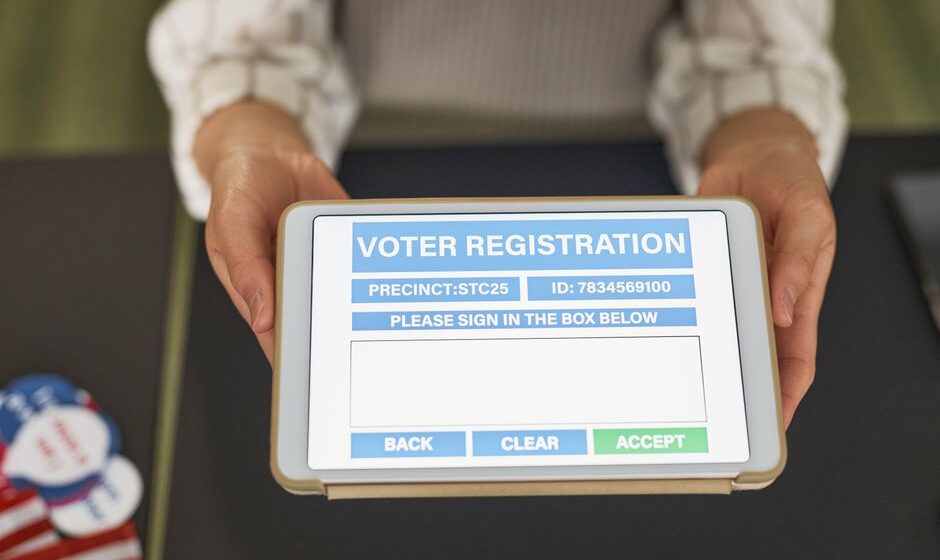
The Shift Toward Digital-First Enumeration
For decades, the national census was a logistical behemoth defined by paper forms, door-to-door canvassing, and manual data entry. As we move deeper into the 21st century, governments worldwide are pivoting toward digital-first census models. While the promise of efficiency, cost reduction, and real-time data processing is alluring, the transition raises a critical question: Can a digital census count everyone fairly?
The move to digital is not just about convenience; it is a fundamental shift in how the state interacts with its citizenry. However, this transition threatens to exacerbate existing social inequalities if the digital divide is not addressed with precision and care.
The Digital Divide as a Barrier to Inclusion
The primary concern regarding digital census implementation is the “digital divide.” Despite widespread smartphone ownership, large segments of the population remain disconnected or lack the digital literacy required to navigate complex government portals.
- Socioeconomic Barriers: Low-income households often rely on mobile-only data plans, which may be insufficient for filling out long-form government documents.
- Age-Related Literacy: Elderly populations may struggle with the transition from paper to web-based forms, leading to undercounting in older demographics.
- Infrastructure Gaps: Rural areas frequently suffer from unreliable internet connectivity, making digital-only census strategies functionally exclusionary.
A census is only as accurate as its reach. If the tools used to collect data are inaccessible to the most vulnerable, the resulting policy decisions will be fundamentally flawed.
Data Privacy and Public Trust
Moving census data online introduces significant concerns regarding cybersecurity and public trust. When people are asked to provide intimate details—such as income, household composition, and ethnic background—in an online environment, they are rightfully cautious.
Cybersecurity experts argue that a centralized digital census database becomes a high-value target for state-sponsored actors and cybercriminals. To ensure a fair count, the government must prove that digital infrastructure is not just efficient, but impervious to breaches. If citizens fear that their data will be used for surveillance or sold to third parties, response rates will plummet, particularly in marginalized communities that have historically faced systemic discrimination.
Can Technology Bridge the Gap?
It is not all bad news. When implemented correctly, digital tools can actually improve the quality of census data. Real-time validation, for instance, can prevent errors that are common in paper forms. If a user enters an invalid address or skips a mandatory question, the system can prompt them for a correction immediately, rather than waiting for a follow-up visit months later.
Furthermore, digital platforms allow for multilingual support that is far easier to update and distribute than printed materials. Providing census forms in dozens of languages ensures that immigrant and non-native speaking populations are not left out of the national conversation.
Strategic Recommendations for a Fair Count
To ensure that a digital-first approach achieves a truly representative count, policymakers should consider the following:
- Hybrid Models: Always maintain a paper-based or telephone-assisted option for those who cannot access digital services.
- Community Engagement: Partner with local nonprofits and community centers to provide “assisted digital” stations where people can get help completing their forms.
- Transparent Privacy Protocols: Launch aggressive public awareness campaigns that explicitly detail how data is encrypted, stored, and protected.
- User-Centric Design: Build interfaces that are WCAG-compliant (Web Content Accessibility Guidelines) to ensure they are usable by people with disabilities.
The Future of Civic Data
The goal of any census is to allocate resources, define political representation, and understand the demographic shifts of a nation. If we rely solely on digital methods without accounting for the realities of our diverse population, we risk creating a feedback loop where the most under-represented communities remain invisible to the policymakers who serve them.
The transition to a digital census is an opportunity to modernize, but it must be tempered with the understanding that technology is a tool, not a solution. True fairness in the digital age requires a human-centric approach that ensures every person, regardless of their internet access or technical skill, is counted with the same level of accuracy and respect.
Original Source: Nationalheraldindia