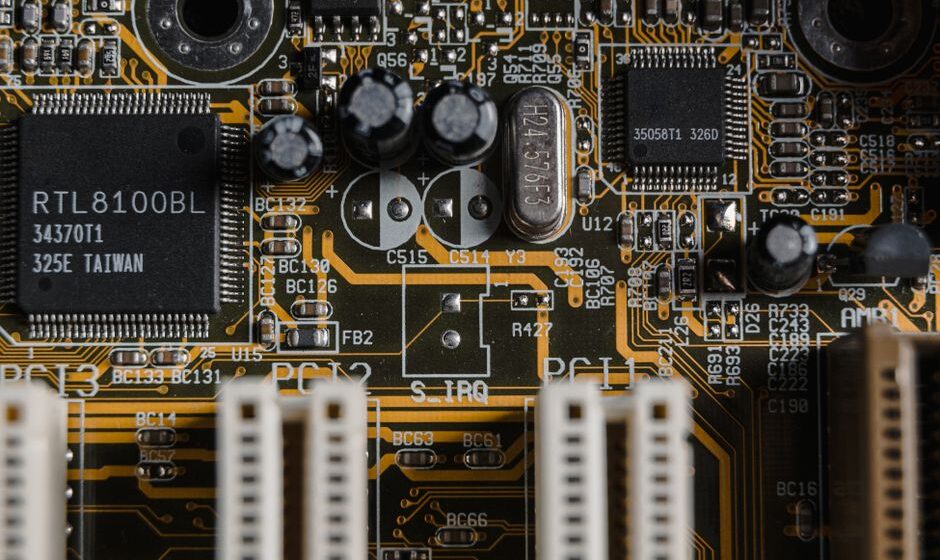
The Hidden Price Tag of the AI Revolution
If you have noticed that the latest smartphones, gaming consoles, and high-performance laptops seem to be creeping up in price, you aren’t just imagining it. While inflation and supply chain bottlenecks have been the usual suspects in recent years, a new, massive disruptor has entered the arena: Artificial Intelligence. The global race to build superior AI models has triggered a fundamental shift in how silicon chips are manufactured, allocated, and priced, with the average consumer ultimately picking up the tab.
The Supply-Demand Imbalance in Silicon
At the heart of the issue is a simple matter of competition for limited production capacity. Companies like NVIDIA, AMD, and Intel are currently prioritizing the production of high-end GPUs and specialized AI accelerators to meet the insatiable demand from hyperscalers like Microsoft, Google, and Amazon. These tech giants are pouring billions into data centers to train Large Language Models (LLMs), effectively sucking the oxygen out of the room for consumer-grade electronics.
When a semiconductor foundry—the factories that actually print these chips—has limited space on their wafers, they have to make a choice. They can produce thousands of chips for a standard smartphone, or they can produce a smaller number of high-margin AI processors that sell for tens of thousands of dollars each. Naturally, the market is incentivizing them to prioritize the latter, leading to tighter supply for everyday consumer hardware.
Why Your Next Device Will Cost More
The impact of this prioritization is multi-faceted. It isn’t just about the raw cost of the chips; it is about the broader economics of the hardware lifecycle:
- Increased R&D Costs: Manufacturers are racing to integrate dedicated NPU (Neural Processing Unit) hardware into consumer devices, which adds complexity and cost to the bill of materials.
- Premium Component Competition: As AI features become a selling point, every manufacturer wants the best possible chips. This drives up the cost of components for mid-range and budget devices that previously relied on more affordable, older-generation silicon.
- Market Consolidation: Smaller players in the hardware space are struggling to secure allocations at foundries, leading to less competition and, inevitably, higher retail prices for the consumer.
The shift toward AI-centric hardware is not merely a feature upgrade; it is a structural change in the global supply chain that favors high-compute enterprise needs over traditional consumer electronics.
The Ripple Effect on Gaming and Mobile
Gamers are likely to feel this pinch most acutely. The latest graphics cards are already positioned as AI-powerhouses, with manufacturers pushing features like DLSS (Deep Learning Super Sampling) as a justification for higher MSRPs. When the same silicon architecture is used for enterprise AI and consumer gaming, the gaming market is held hostage by the enterprise pricing floor.
Similarly, the smartphone market is pivoting toward ‘AI Phones.’ While the features are undeniably impressive, the hardware requirements to run these models locally are significant. This necessitates more expensive memory (RAM) and specialized silicon, which directly translates to the ‘Pro’ and ‘Ultra’ pricing tiers becoming the new standard for flagship devices.
What Should Consumers Expect?
Looking ahead, we are likely to see a bifurcation in the market. We may see a return to a landscape where ‘entry-level’ hardware is significantly stripped back to maintain price points, while the ‘premium’ segment continues to skyrocket in price to account for the expensive AI-ready silicon inside. Consumers will need to be much more selective about whether they truly need the latest ‘AI-enhanced’ hardware or if their current devices can sustain them for longer cycles.
Ultimately, the AI gold rush has turned the humble semiconductor into the most valuable commodity on the planet. As long as the demand for AI compute continues to outpace the growth of global foundry capacity, the upward pressure on the price of your laptops, consoles, and mobile devices is likely here to stay.
Original Source: Dailysabah